Abstract
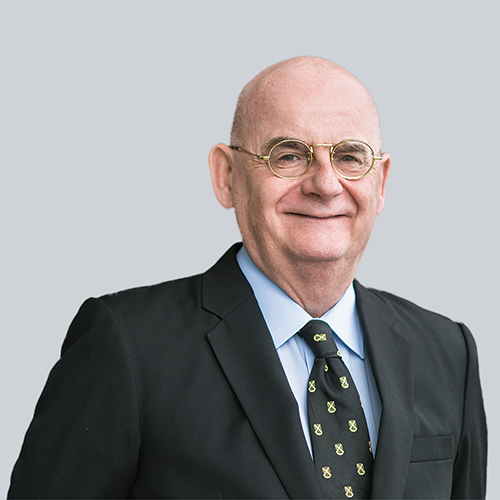
5 min readThe water-soluble thione/thiol ergothioneine (ET) was first isolated in 1909 by Charles Tanret [1], from the ergot fungus Claviceps purpurea. This fungus is notorious for the toxicity of some of its metabolites to humans, causing ergotism [2], which has even been linked to the Salem witch trials [3]. However, ergotism has nothing to do with ET, which is instead very safe for human consumption and is synthesized by a range of other fungi and some bacteria (reviewed in [4-9]). Its biosynthetic pathways are reviewed in detail in [6]. Indeed, as far as we know, humans and other animals obtain all their ET from the diet [4, 5, 7-10], whereas plants seem to obtain it from fungi and other soil microorganisms [9]. An enormous amount of work was done on ET in the 1950s, as summarized in the excellent review by Melville [7]. Interest then waned but has picked up rapidly in recent years (Fig. 1). We, therefore, thought that it was about time for a collection of articles and reviews highlighting the recent developments in the ET field. We, thus, approached both FEBS Letters, which was very supportive, and a range of experts working on ET, who were almost uniformly enthusiastic and happy to contribute. The FEBS Letters Special Issue 'Ergothioneine, where are we now?' is the result of these activities and contains 11 articles by leading experts. One catalyst for this upsurge of interest was the discovery in 2005 of a transporter for ET (OCTN1, often now called the ergothioneine transporter, ETT), which accounts for the fact that animals (including humans) take up and avidly retain ET from the diet [11]. The specificity of ETT for ET has often been challenged but has been reconfirmed in several studies [11-13], as reviewed in depth by Grundemann et al. in this special issue [14]. The presence of a specific transporter together with the avid retention of ET in the body implies that this compound is important to us, and indeed in 2018 Bruce Ames proposed that ET be classified as a 'longevity vitamin' [15]. No specific deficiency disease has yet been identified for ET, which makes it hard to formally classify it as a vitamin. Perhaps, however, deficiency diseases are staring us in the face: low blood or plasma levels of ET are correlated with increased risk of frailty [16-18], cardiovascular disease [19], mild cognitive impairment [18, 20-22], dementia [22, 23] and Parkinson's disease [24]. Indeed, ET has many neuroprotective properties [4, 5, 18, 26, 27], as reviewed in detail in this special issue [18, 25, 26]. Consistent with a key protective role of ET against the development of age-related diseases, higher dietary consumption of mushrooms, a rich source of ET [9], is associated with lower disease risk [28-31]. However, we must be cautious; to quote an old phrase 'correlation does not imply causation'. Low ET levels may predispose to disease, but disease could also lead to low ET levels. Possible reasons could include alterations in diet due to illness so that less ET is consumed, and/or decreases in ETT activity in the gut (leading to less ET uptake) or kidney (impairing ET reabsorption) with age and disease. Changes in gut microbiota might also influence uptake and accumulation in the body, as discussed in this special issue [10]. Indeed, changes in gut microbiota have been associated with a growing number of disorders; however, further work is still needed to explore the association between gut microbiota and ET uptake. Another possibility is that ET is being consumed as it scavenges oxygen radicals and other reactive oxygen species [4, 5, 32], the production of which is known to increase in these diseases and during ageing in general (reviewed in [33-36]). Much early work focused on the antioxidant properties of ET (reviewed in [4, 5, 7]), but this may be too narrow a view of its protective properties [37]. ET as an antioxidant may only come into play at sites of tissue injury, when it seems to be deliberately accumulated by the tissue to help protect it, by raising the amount of ETT and hence the level of ET [24, 38]. In addition, ET has a wide range of other cytoprotective properties that could be relevant in vivo (reviewed in [4, 5, 39-41]. It may even help protect against colon cancer [42]. So, what will happen in the next few years? Hopefully, the value of ET in preventing and treating human disease will become clearer. Animal studies look promising ([27] and much work in progress). However, only the gold standard of placebo-controlled double-blinded clinical studies can definitively establish the value (if any) of ET in preventing or treating human disease. Several such trials are being planned or in progress; we await the results with interest, and a streak of optimism. Other applications of ET such as its use as a food preservative [43] and in cosmetics [44] are also being explored. In addition, there are many facets of ET biology yet to be explained, such as its presence at exceptionally high levels in the seminal fluid of stallions and boars, much less in this fluid from other species [45], and its possible involvement in human development, as seen from the ability of mothers to pass ET to the baby (discussed in [46]). Indeed, these are exciting times for the ET field, including new methods to identify [49] and produce [50] it. We hope that this special issue of FEBS Letters will raise awareness of this unique compound. Barry Halliwell is a Distinguished Professor and Senior Advisor (Academic Appointments and Research Excellence) to the Provost at the National University of Singapore (NUS). He is also Chairman of the Biomedical Research Advisory Council of Singapore's Agency for Science, Technology and Research (A*STAR). His research focuses on the role of reactive oxygen species and antioxidants in human health and disease, with special attention paid to ergothioneine [4,5], which his group helped to characterize many years ago [47, 48]. Irwin Cheah is a Senior Research Fellow at the Department of Biochemistry, Yong Loo Lin School of Medicine and Life Science Institute, NUS. With a long-standing interest in the role of oxidative damage and inflammation in disease and natural therapeutics to counteract these pathological mechanisms, he was naturally drawn to ergothioneine. In recent years, the primary focus of his research has been elucidating the role of ergothioneine in health and disease and establishing its potential therapeutic value in a range of disorders.

Discussion(0)
No comments yet. Be the first to comment.